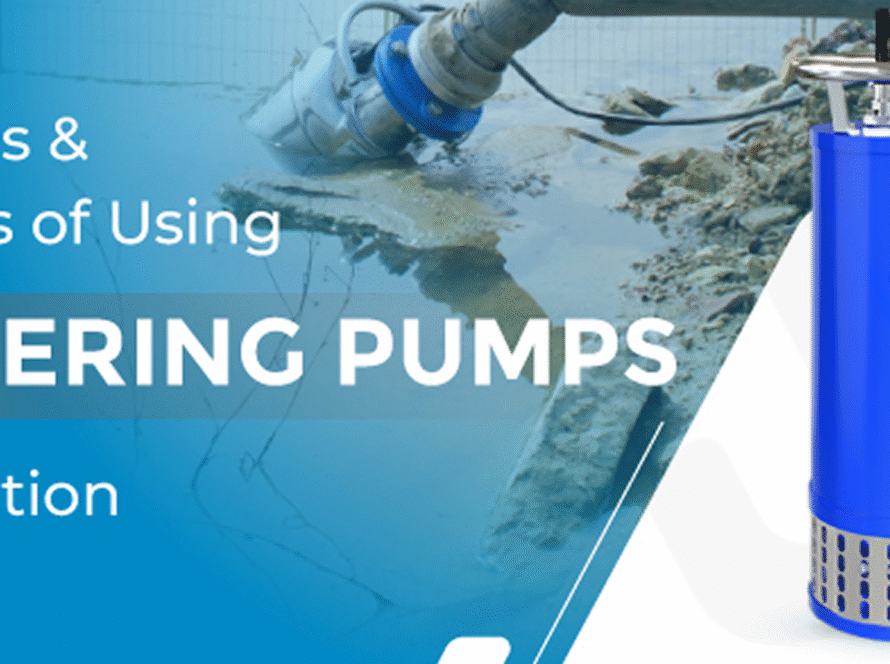
In any construction project, managing water accumulation is crucial to ensure safety, structural integrity, and timely completion. Dewatering pumps play an indispensable role in this process, helping remove unwanted water from construction sites, trenches, foundations, and tunnels. These pumps not only prevent delays but also protect equipment, workers, and the environment from water-related hazards.
What are Dewatering Pumps?
Dewatering pumps are specialized equipment designed to remove excess water from low-lying areas. They are used extensively across various sectors, but their significance in construction is particularly notable. These pumps come in multiple types, including submersible pumps, centrifugal pumps, and trash pumps—each suited for different site conditions and water compositions.
Key Applications of Dewatering Pumps in Construction
1. Excavation and Foundation Work
During excavation or laying foundations, groundwater or rainwater often accumulates in the pit, making it unfit for workers and machinery. Dewatering pumps swiftly remove this water, ensuring dry and stable conditions for laying the base of buildings, bridges, or highways.
2. Tunneling and Underground Construction
Tunnel boring and underground developments like subways or basements are highly prone to water seepage. Continuous dewatering is essential to avoid flooding and structural damage. Submersible dewatering pumps are commonly used here due to their efficiency and ability to operate in confined, waterlogged spaces.
3. Site Preparation and Soil Stabilization
Before any major construction begins, site preparation is critical. Waterlogged soil can weaken the ground and reduce load-bearing capacity. Dewatering pumps help reduce the water content in the soil, making it suitable for compaction, grading, and foundation placement.
4. Trench and Pipeline Installations
Installing underground utilities like water pipelines, gas lines, or electrical conduits often requires digging trenches. These trenches are susceptible to water accumulation from groundwater or rain. Dewatering pumps keep these trenches dry, ensuring smooth installation and worker safety.
5. Stormwater and Rain Management
Construction sites exposed to the elements often suffer from water pooling after rain. This can disrupt activities and damage raw materials. Portable dewatering pumps are used to quickly drain standing water, allowing work to resume with minimal downtime.
6. Emergency Flood Control
Unpredictable weather or accidental water main breaks can lead to sudden flooding at construction sites. Dewatering pumps act as first responders, efficiently managing emergency water removal to prevent major losses or project shutdowns.
Benefits of Using Dewatering Pumps in Construction
- Improved Safety: Dry sites reduce the risk of slips, equipment malfunction, and structural collapse.
- Operational Efficiency: Keeps the project on schedule by minimizing water-related delays.
- Cost Savings: Reduces the need for expensive repairs or reworks caused by water damage.
- Environmental Compliance: Helps meet regulatory standards for water discharge and site management.
Dewatering pumps are essential tools in modern construction. Whether it’s ensuring a stable foundation, managing water during tunnel construction, or reacting to sudden floods, these pumps ensure that construction can proceed safely and efficiently. Selecting the right type of dewatering pump based on site conditions and project needs can significantly impact the success of any construction endeavor.